First, you need to determine what type of snowboard that you want. There are four main categories: allmountain, park/freestyle powder, splitboard, and powder. Each of these snowboards can be used for different riding conditions and is suitable for different users. You'll also need to consider your own personal style and ability.
The all-mountain snowboard is the most well-liked type. These snowboards can be used by beginners in all snow conditions. They are capable of handling jumps and groomers as well as pipe and powder. You can ride an all-mountain bike, whether you are a freestyler or just learning to ride.
There are many other types of snowboards. Others are for backcountry or deep pow skiing and have their own unique features. A powderboard, for example is built to handle deep snow in mountains and has rocker on the tail and tip. Another board designed for backcountry skiing has a more torsional flex.

A few other things to consider are the profile of the snowboard, its flex, and its width. These are all designed to enhance your riding experience so you can get the most out your snowboard. But choosing the right snowboard for your style of riding can be a little tricky.
Camber is the most well-known snowboard profile. Camber is the shape that gives your board the best energy and turns the fastest. But, it can be unforgiving to novice riders. For beginners, a shorter and more flexible board might be more convenient. A stiffer and longer board will give you more stability at higher speeds. Additionally, a wider board will prevent your feet and toes from getting caught in the snow.
Another important aspect to consider is the radius of sidecut. This is the radius at which the snowboard's edge curves. It provides an indication of the board's ability to turn. A wider snowboard will have a smaller sidecut radius. This gives you a better chance at catching the next turn.
Be sure to measure your weight before you buy a new snowboard. The length of your snowboard will depend on your body weight, and what type of riding you intend to do. Most snowboards can be found in a range of lengths, from 90cm to 178cm. You should aim to find the length that is most appropriate for your height and ability. Once you have determined the length that is right for you, it's time to attach your bindings. You may find waxed base material, a sharpened edges, and other perks depending on the brand.
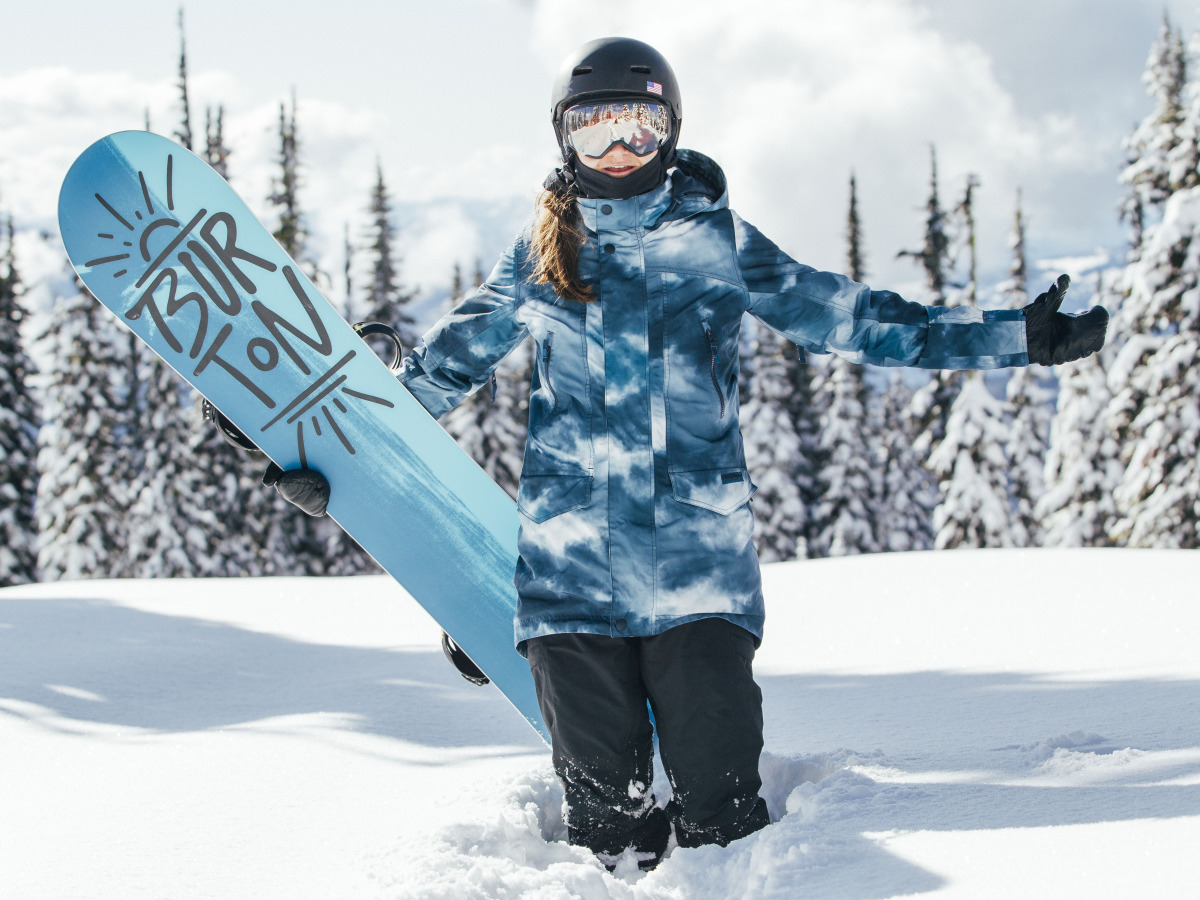
The process of choosing the right snowboard is enjoyable and rewarding. You can use a reference guide to help you figure out what you need. You can use these basic guidelines to help choose the best snowboard for yourself, even though each brand uses its own language. A brand will usually offer a different profile every year.
FAQ
Why are extreme sports becoming more popular?
We believe extreme sports have grown in popularity because people want something different. They enjoy being part.
They love taking risks and seeing how far they can go.
People also enjoy watching their friends perform their stunts.
Extreme sports have become more popular than ever before. Indoor skydiving can be done in many cities. International companies offer bungee-jumping.
How does the sport of parasailing differ from parachuting?
Para-gliding involves using a harness that is attached to a small sailing sail to fly above the earth. The harness allows you to fly. It helps you stay safe as you fall through air.
Flying requires no special equipment. You simply attach yourself to the sail. Next, take off. As you gain altitude, the wind pushes against the sail. This causes it to lift you.
You continue moving forward as you glide along the ground. Your momentum propels you forward until you reach its end. At that point, you release your grip and fall back to earth.
Reattach your sails when you're ready for a new start.
The sport of parasailing is growing very fast. More than 1 million people participated in parasailing in 2013. It's nearly twice as many people did it in 2013 than in 2008.
Is extreme sport dangerous?
Extreme sports are dangerous because they put people at risk for injury and death. There have been many other deaths, including drownings and electrocutions.
Even when you do something quite safe, such as riding a bike or rollerblading - injuries can still occur.
Extreme sports can be dangerous for those who sustain injuries.
One example is that the National Football League has banned its players participating in extreme sports such as skateboarding due to the high risk associated with these sports.
Try extreme sports if you are interested.
How is an extreme sport different from other sports?
Extreme sport requires physical exertion or skill in combination with a challenge.
This may include the use of equipment like helmets, goggles or other unique clothing.
Extreme sports are different from traditional sports which require special training prior to participating.
They are typically outdoors and don't offer any safety net in the case of an accident.
Some extreme sports may be illegal while others are legal. It depends on your location and the kind of activity.
You need to verify the local laws if you plan on doing extreme sports.
Statistics
- Approximately 50% of all wakeboarders have been participating in the sport for 1-3 years. (momsteam.com)
- Nearly 98% of all "frequent" roller hockey participants (those who play 25+ days/year) are male. (momsteam.com)
- Since 1998, overall participation has grown nearly 25% - from 5.2 million in 1998 to 6.5 million in 2004. (momsteam.com)
- Nearly 30% of all boardsailors live in the South, and more than 55% of all boardsailors live in cities with a population of more than two million people (momsteam.com)
- Boxing— 90% of boxers suffer brain damage over their careers, and this is not surprising in the least, considering that they are throwing punches at each other's heads. (rosenfeldinjurylawyers.com)
External Links
How To
Can I learn windsurf by myself?
Yes, you can!
You can learn how to windsurf at any age and from anywhere around the world. This can be accomplished in several ways: online courses, classes or joining a club. Windsurfing Schools UK allows you to search for courses in your area.
If you want to learn how to windsurfer, you should first ensure your body is fit enough to handle the demands of windsurfing. You must be able walk, run, jump, climb stairs and bend down with no pain. If you're overweight, you'll probably feel sore after a few hours of windsurfing. After you have determined whether you are physically fit to begin windsurfing, you can then choose the type of equipment you want to use. While some people prefer to learn windsurfing with a traditional sailboard or a kiteboard, others prefer to use one. It depends on where you practice.
You can start practicing windsurfing once you have decided what kind of gear you want. You should start slow, moving upwind on flat water. Next, you will move towards the waves. Strong winds could cause your sails to be ripped apart. It is best to avoid these strong winds as they could ruin your sails. After you get used to sailing on flat water, you can move onto choppy seas. If something does go wrong, it is important to be prepared before you begin windsurfing on rough waters.
Windsurfing requires patience and dedication. While there are many books available, they are mostly written for beginners. These are some helpful tips to help you get started with windsurfing.
-
Get a great teacher. A certified instructor will show you how to do things and give you tips on what to do next. You will usually have to pay a fee to instruct, so make sure you ask around.
-
Learn how to read a map - Before heading out on your first lesson, study a topographical map of the area you intend to visit. This will help you identify safe places to practice windsurfing.
-
Select the right equipment – When buying windsurfing equipment, make sure you are choosing high-quality materials. Try to buy from reputable manufacturers, and pay attention to the warranty.
-
Practice safely - Be aware of all potential dangers that may occur during windsurfing. For example, look for other boats, swimmers, rocks, and cliffs. While windsurfing, don't forget to use a life jacket.
-
Have fun - Windsurfing was meant to be enjoyable so have fun learning it!